 Aladdin's Cave - Fancy Dress and Costume Hire
-

- Medieval bodice & skirt – Plum

-

- Medieval Jester

-

- Medieval lady

-

- Medieval Dress

-

- Medieval Dress

-

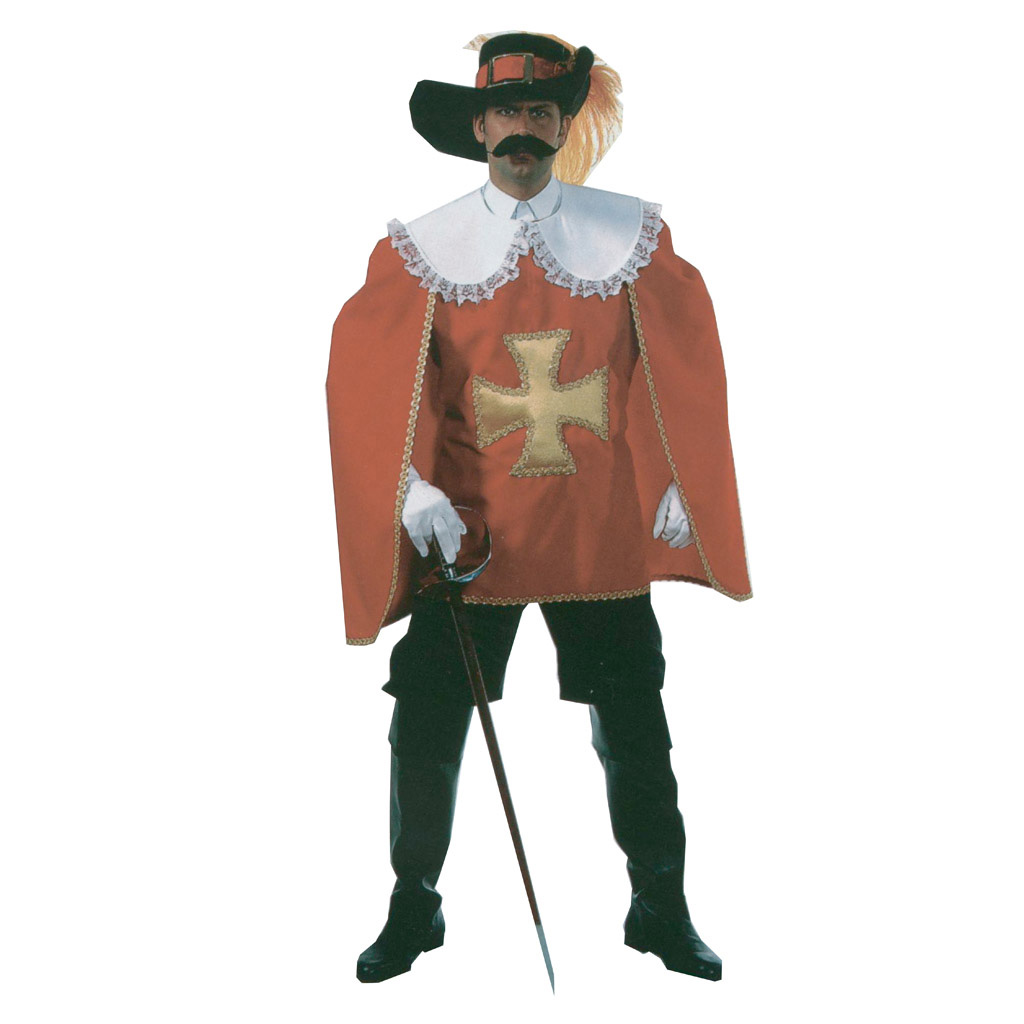
- The Three Muskateers

-

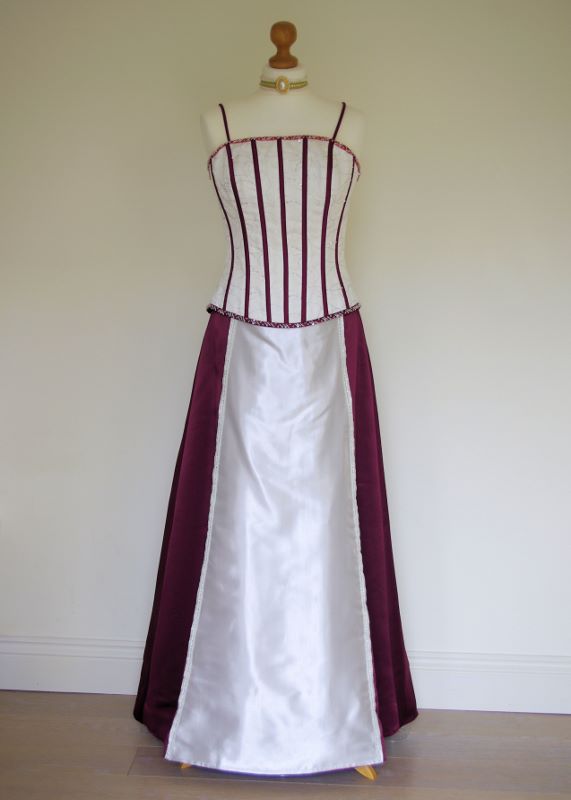
- Medieval lady
-

- Medieval Knight

-

- Medieval – Blue and Gold


-

- Blackadder

-

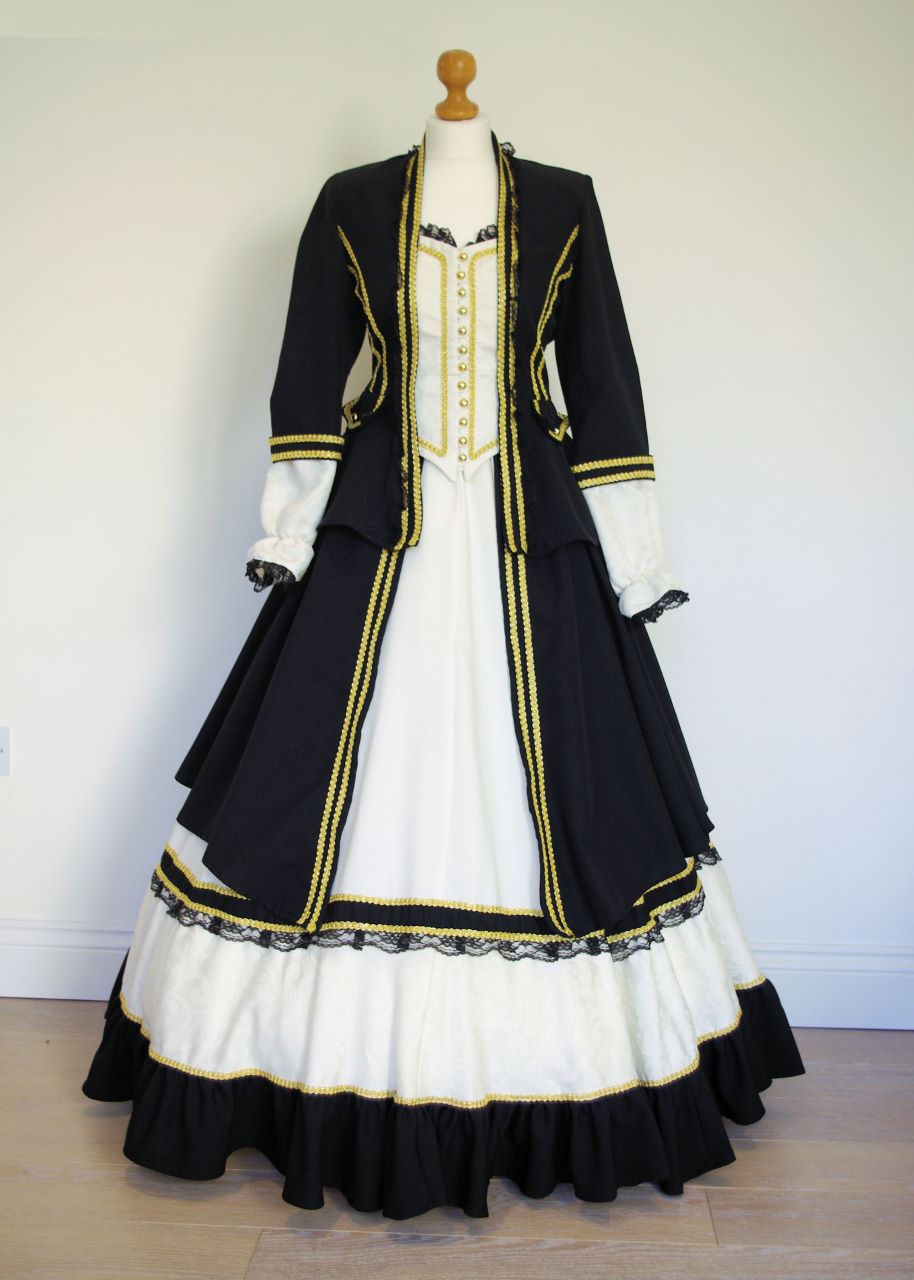
- Riding outfit

-

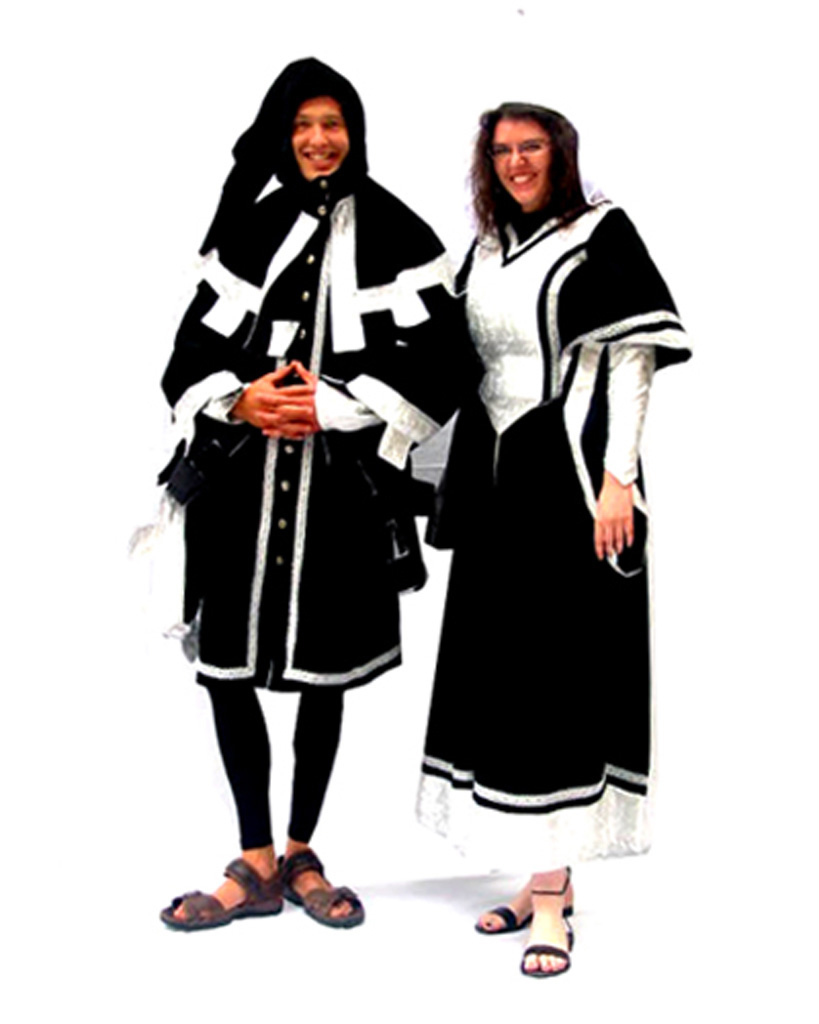
- Shrek & Fiona

-

- Georgian Dress

-

- Medieval lady

-

- Medieval lady


-

- Medieval Top & Skirt

-

- Medieval Maid Marion

-
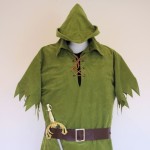
- Peter Pan

-

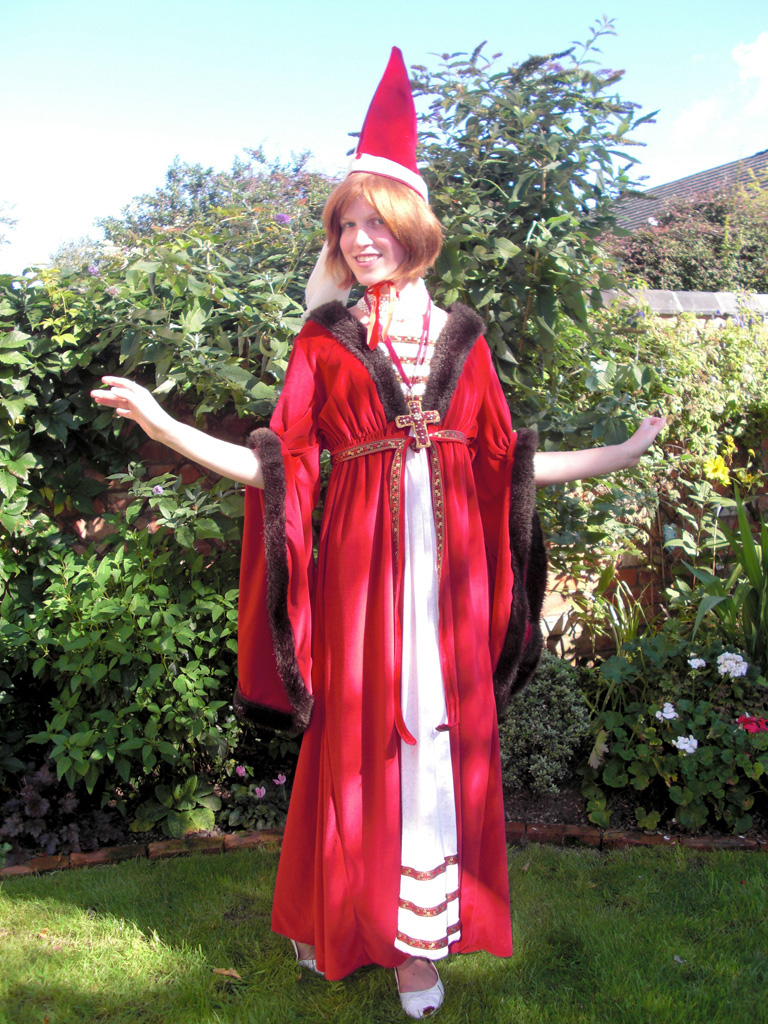
- Medieval Robin Hood

-

- King Henry VIII

-

- Medieval – Henry VIII

-

- Medieval Dress

-

- Shakespeare in Love / Blackadder

-

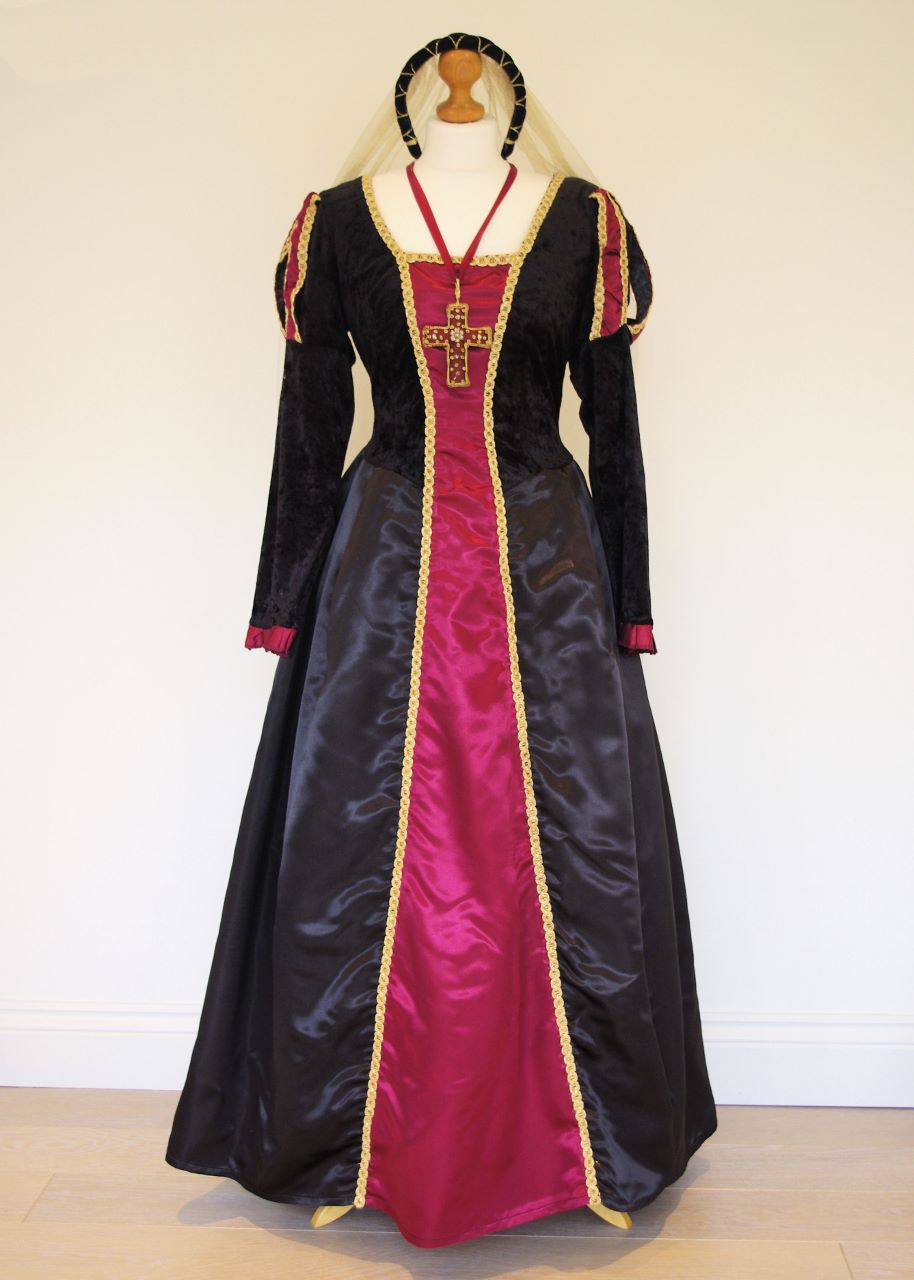
- Medieval – Black, Red & Gold Tudor Queen
-

- Medieval Top & Skirt

-

- Shakespeare in Love

-

- King Arthur

-

- Wicked Queen

-

- Robin Hood Dick / Whittington

-

- Medieval Shoes

-

- Medieval accessories

-

- Aubergine & Black lace
-

- Medieval Dress


-

- Medieval – Gold & Cream

-

- Friar Tuck

-

- Medieval lady


-

- Robin Hood & Maid Marion

-

- Medieval lady

-
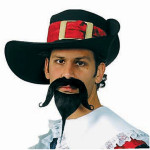
- Puss in Boots

-

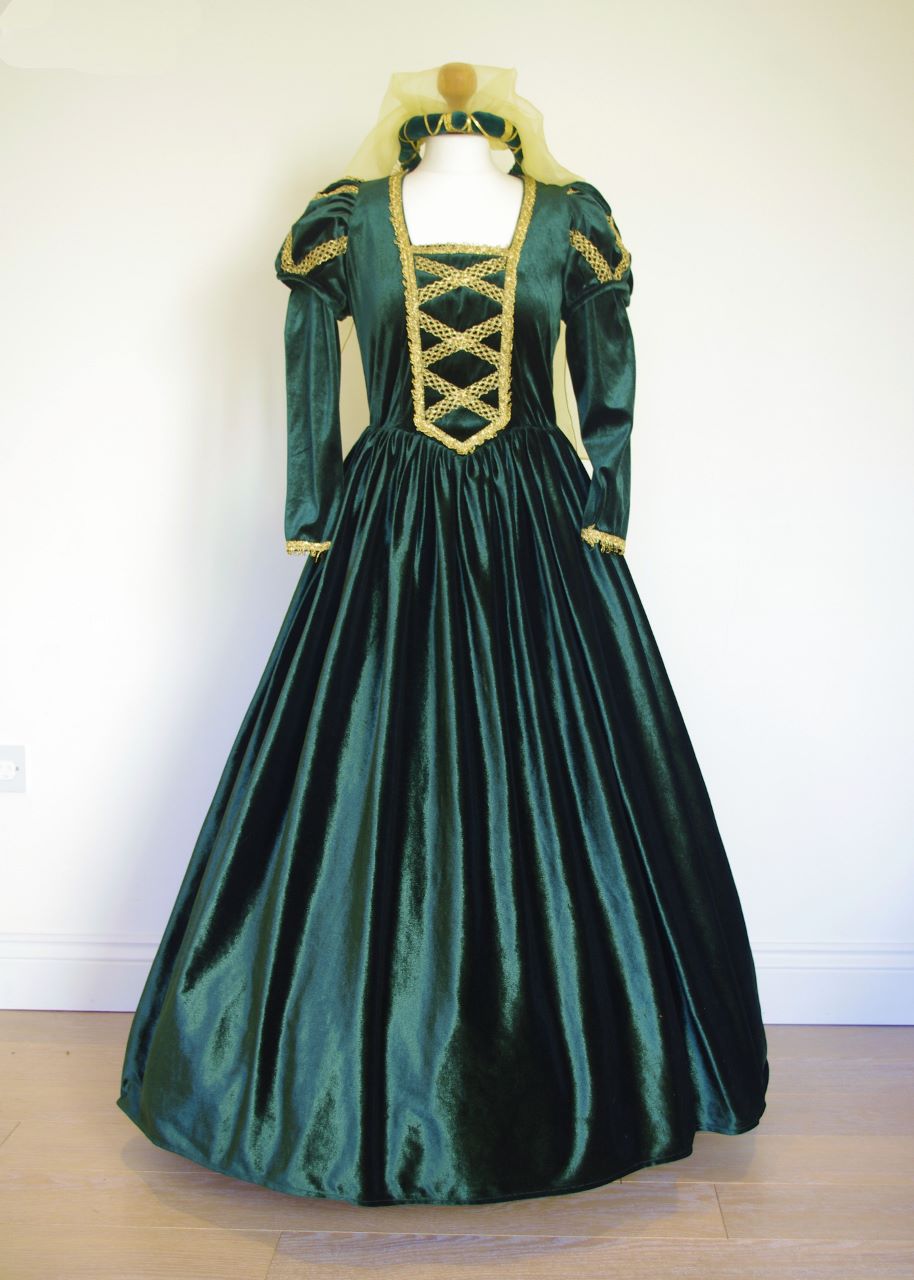
- Maid Marion / Fiona
-

- Georgian / Victorian Lady

-

- Medieval lady

-

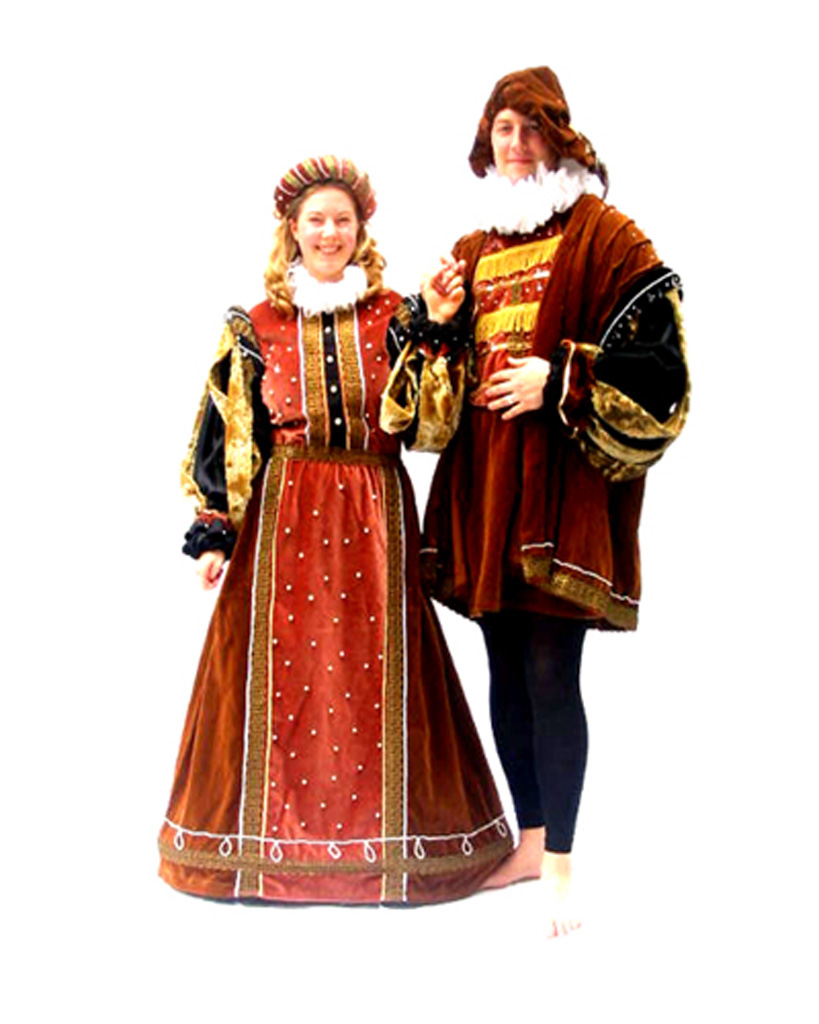
- King Henry & Anne Boleyn

-

- Sherriff of Nottingham

-

- Medieval Top & Skirt


-

- Jester

-

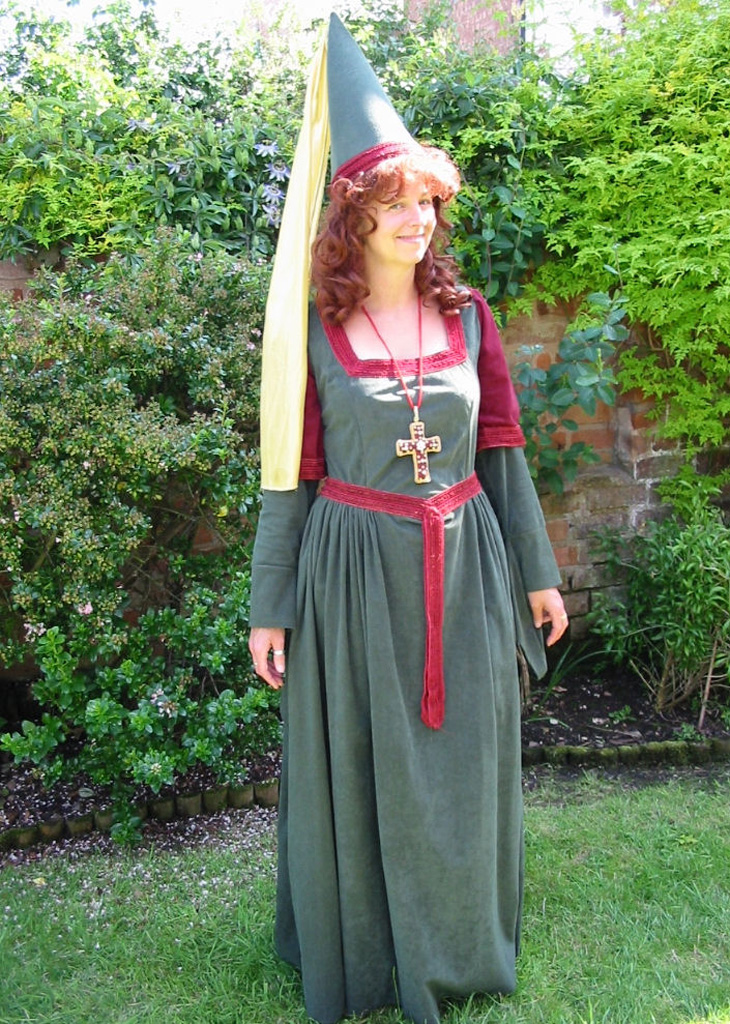
- Maid Marion

-

- Medieval – Purple & Gold Tudor

-

- Maid Marion

-

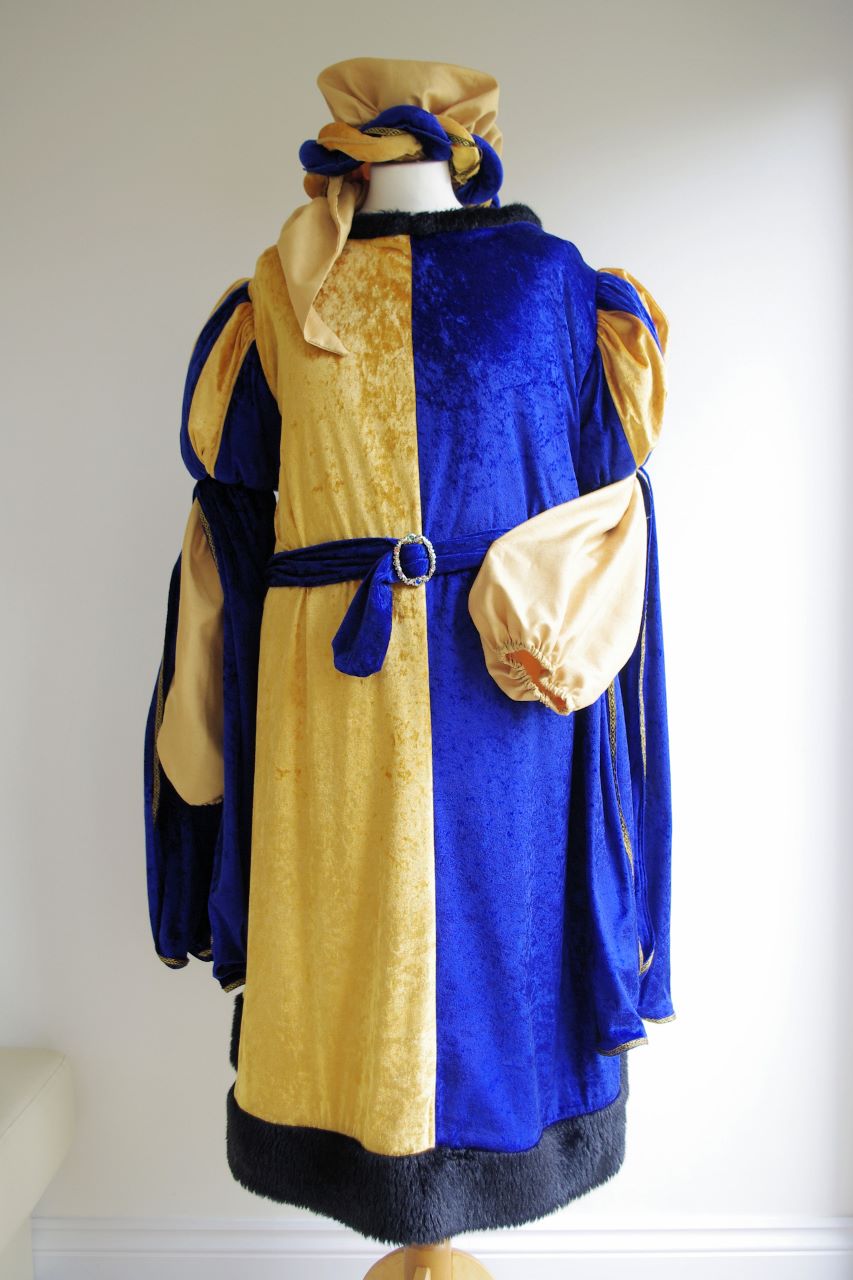
- Medieval King
-

- Shakespeare in Love


-

- Shrek

-

- Medieval Lady


-

- Peter Pan / Robin Hood

-

- Black & silver

-

- Medieval lady

-

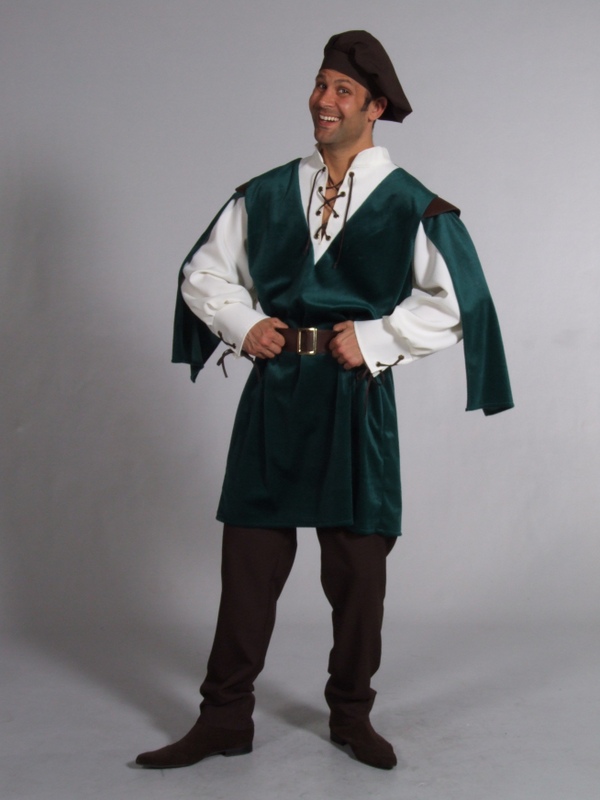
- Jack and the beanstalk
-

- Medieval/ Georgian Lady

-

- Medieval Wench

MEDIEVAL 500-1485
During the early medieval period, male and female clothing was relatively similar and remained little changed for five centuries. Men from the working classes wore knee-length tunics, usually belted at the waist. Men of the upper classes wore long tunics, with hose and cloaks.
Working class ladies wore long tunics or gowns. Wealth bought you more colourful gowns with fuller skirts, embroidered belts and long flaring sleeves with fur trim.
Later in the medieval period the draped garments and straight seams of previous centuries were replaced by curved seams and the use of tailoring. Lacing and buttons allowed a snugger fit to clothing, creating tall narrow lines.
TUDOR & ELIZABETHAN 1485-1603
As Europe continued to grow more prosperous clothing became extreme and extravagant. From voluminous gowns and sweeping floor-length sleeves, to revealing doublets and hose. Hats, hoods, and other headdresses assumed increasing importance, and were swagged, draped, jewelled, and feathered.
The style assumed a wide silhouette, conical for women with breadth at the hips and broadly square for men with width at the shoulders. Sleeves were the centre of attention and were puffed, slashed, cuffed, and turned back to reveal contrasting linings. Embroidered silk and velvets in bold floral patterns remained fashionable for those who could afford them.
The characteristic garment for the Elizabethan period was the ruff, which began as a narrow frill at neck and wrists and grew to a broad “cartwheel” style that required a wire support by the 1580s.
CHARLES I & II 1625-1685
During this period the Elizabethan style ruff disappeared in favour of a broad lace or linen collar. Waistlines rose and sleeves were worn slashed with deep cuffs to match the collar.
Men’s hose disappeared and were replaced by breeches worn with leather knee high boots, tall or broad hats turned up at the side and decorated with a plume of feathers. This look is commonly associated with the royalist supporters of Charles I & II known as Cavaliers.
To see some of the costumes ‘twirling’ into action please click on this link:
Please choose from the Costume Lists if you would like to view our complete range of costumes for this theme.